
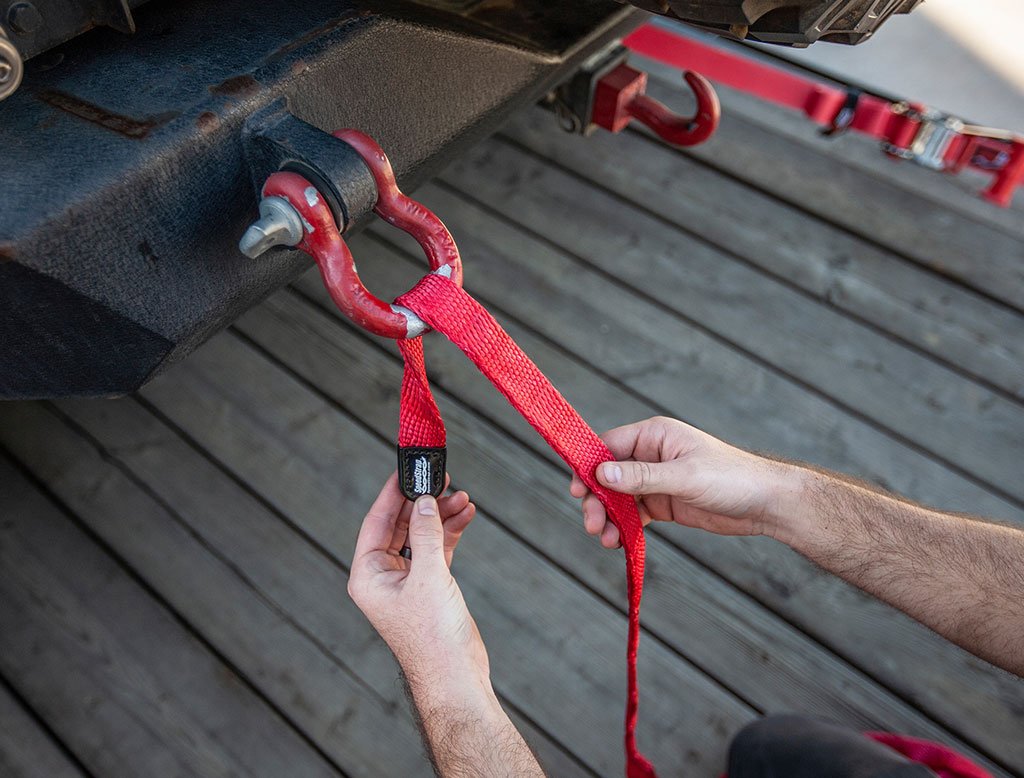
How to clean & store tow straps to avoid damage
Why Tow Strap Care Matters More Than You Think
Let’s take a moment to imagine this: you’re driving home late at night, and out of nowhere, your tires sink into a patch of soft mud. You reach into your trunk for your trusty tow strap—your literal lifeline—and pull it out, only to find it stiff, muddy, and frayed at the edges. That sinking feeling? Yeah, we’ve all been there (or imagined it). It’s the kind of moment that makes you wish you’d taken better care of your gear.
Tow straps may look tough, but they’re a lot like us—they can only take so much neglect before they give out. Learning how to clean and store tow straps to avoid damage isn’t just about keeping them looking good; it’s about ensuring they stay strong when you need them most.
In this friendly guide, we’ll go step-by-step through cleaning, drying, and storing your tow straps the right way. Along the way, we’ll bust a few myths, share expert-backed insights, and sprinkle in a few handy emotional nudges to make sure this information sticks. Ready to give your tow straps the TLC they deserve? Let’s roll!
Understanding Tow Straps — The Backbone of Vehicle Recovery
What Exactly Are Tow Straps?
Tow straps are heavy-duty lengths of woven synthetic fiber—usually nylon or polyester—used to pull or recover vehicles. They’re designed to handle immense tension without snapping. But here’s where many people get confused: tow straps and recovery straps aren’t exactly the same.
- Tow straps are meant for towing free-rolling vehicles (think moving a car that’s already on the road).
- Recovery straps, on the other hand, stretch a bit more and are used to yank vehicles stuck in mud, snow, or sand.
Nylon tow straps are popular because they have a bit of elasticity, helping absorb shock loads. Polyester straps, by contrast, stretch less and provide more controlled towing.
Either way, both types depend on strong, undamaged fibers—and that’s why cleaning and storage are key to keeping them reliable.
Common Uses and Importance
Whether you’re rescuing a friend’s stuck SUV or helping a neighbor move a stalled car, a tow strap can turn you into a real-life hero in seconds. Imagine the satisfaction of smoothly pulling a heavy truck out of a ditch—it’s a rush of adrenaline and relief!
But that relief disappears if the strap gives out mid-recovery. Dirt, moisture, and UV rays silently eat away at the strap fibers over time. The next time you pull, snap—it’s done. And that’s not just inconvenient; it’s dangerous.
Keeping your straps clean and properly stored ensures they stay dependable and ready to perform when it matters most.
What Causes Tow Straps to Get Damaged?
You’d be surprised at how many invisible culprits can weaken your straps:
- Dirt and sand particles grind between fibers like sandpaper.
- Water and mud trap moisture, leading to mold or fiber weakening.
- Sunlight (UV exposure) gradually breaks down nylon and polyester strands.
- Improper storage, such as leaving straps in a hot trunk, accelerates deterioration.
- Overloading beyond rated capacity strains the weave permanently.
Neglecting these factors is like leaving your favorite jacket out in the rain—you might not see the damage right away, but it’s happening underneath.
Step-by-Step Guide: How to Clean Tow Straps Properly
Keeping your tow straps clean isn’t complicated—it’s more about patience and the right technique. Here’s how to do it the right way:
Inspect Before Cleaning
Before you even think about dunking your straps in water, take a few minutes to inspect them.
Look for:
- Frays or loose threads
- Cuts, abrasions, or burns
- Discoloration or stiffness
- Damaged stitching near hooks or loops
If the strap looks severely worn or cut more than 10% through, it’s best to retire it. Cleaning won’t fix structural weakness.
Can you imagine relying on a strap that suddenly snaps during recovery? That’s not a risk worth taking.
Remove Loose Dirt and Debris
Before soaking, shake off loose dirt or gravel. If the strap’s covered in dried mud, use a soft brush to gently scrub the surface.
Here’s a quick trick:
- Hang the strap vertically and tap it against a hard surface.
- Use compressed air (if available) for stubborn debris.
Skipping this step means you’ll end up grinding dirt deeper into the fibers during washing—exactly what you’re trying to avoid.
Prepare a Gentle Cleaning Solution
Now it’s time to mix up your magic potion. The key word here is gentle.
- Fill a bucket with lukewarm water (not hot—heat weakens synthetic fibers).
- Add a few drops of mild soap or non-detergent cleaner.
- Avoid bleach, fabric softeners, or harsh degreasers—they can permanently damage fibers.
If your strap smells funky or has been soaked in saltwater, a teaspoon of baking soda can help neutralize odors and mild corrosion.
Soak and Hand Wash
Submerge the strap completely and let it soak for 15–30 minutes. This loosens up stubborn dirt and grime.
After soaking:
- Use your hands or a soft sponge to gently scrub the strap along its length.
- Pay extra attention to loops and edges—they tend to trap grime.
Handwashing is always better than tossing it in a machine. Washing machines can twist and stretch the fibers unnaturally.
And honestly, there’s something satisfying about scrubbing your own gear—it gives you a sense of pride knowing it’s truly cared for.
Rinse and Dry the Right Way
Once you’re done scrubbing, rinse thoroughly with clean water. Any leftover soap can attract dirt the next time you use it.
To dry:
- Hang it on a clean railing or laundry line.
- Keep it out of direct sunlight—UV rays are the silent killers of synthetic materials.
- Let it air dry naturally. Avoid dryers or heaters.
It might take several hours to fully dry, but it’s worth the wait. Imagine the peace of mind knowing your strap is clean, strong, and ready to go.
Optional: Applying Fabric Protectants
If you want to go the extra mile, apply a UV protectant spray designed for nylon or polyester. These sprays form an invisible barrier that shields against sunlight and moisture.
You can also use anti-mold sprays if you live in humid areas. Just make sure any product you use is silicone-free and non-oil-based, since oils can degrade the strap over time.
It’s a small step that makes a big difference in extending your strap’s lifespan.
How to Store Tow Straps Safely to Prevent Damage
Cleaning is half the battle. Storing your tow straps properly ensures all that effort doesn’t go to waste.
The Importance of Proper Storage
Think of your tow straps like a firefighter’s hose. Would they toss it in a damp pile after every rescue? Nope. They roll, dry, and store it carefully—because their lives depend on it.
Improper storage leads to:
- Mold and mildew
- Stiff or brittle fibers
- UV degradation
- Premature wear at stress points
So, let’s keep your straps as rescue-ready as the pros do.
Choose a Cool, Dry Place
Find a cool, dry, and well-ventilated area—preferably indoors.
Avoid:
- Car trunks (too hot)
- Garages near chemicals or gasoline
- Damp basements
Ideal storage temperature? Around 60–75°F (15–24°C) with low humidity. That helps prevent mildew growth and material fatigue.
Roll, Don’t Fold
Rolling keeps the fibers aligned and prevents creases that can turn into weak spots.
Here’s how to do it right:
- Lay the strap flat on a clean surface.
- Start rolling from one end (preferably without hardware).
- Secure it loosely with a soft tie or Velcro strap.
Never fold it sharply—it’s like bending a paperclip repeatedly; eventually, it breaks.
Use Storage Bags or Cases
Most high-quality tow straps come with a storage bag for a reason. These bags keep dust, dirt, and sunlight out.
If you don’t have one, no worries—any breathable fabric bag or sturdy plastic container works. Just make sure it’s dry and clean.
Pro tip: add a few silica gel packets to absorb moisture. It’s the same trick used in camera gear storage.
Keep Away from Chemicals & Sharp Tools
Don’t toss your tow straps next to wrenches, oils, or car batteries. Even minor contact with chemical fumes or edges can weaken fibers.
A separate drawer, toolbox compartment, or labeled container is ideal. Remember: prevention is easier than replacement.
Label and Rotate
If you use multiple straps, label them with the date of purchase or last inspection. Rotate their usage so each one wears evenly.
A quick glance at your label tells you whether it’s time for cleaning, testing, or retirement. It’s a small habit that adds years to your gear’s life.
Common Mistakes People Make with Tow Straps (and How to Avoid Them)
We’ve all been there—rushing to finish a job and cutting corners. But when it comes to tow straps, shortcuts cost longevity and safety.
Here are some classic blunders (and how to avoid them):
- Using straps while still dirty or wet
- Dirt acts like sandpaper; moisture breeds mold.
- Cleaning with bleach or detergent
- Strong chemicals eat away at synthetic fibers.
- Leaving straps in direct sunlight
- UV exposure weakens the material silently over time.
- Storing straps coiled with metal hooks touching fabric
- Metal edges can cut or deform the weave.
- Skipping inspections
- Even small frays can escalate under heavy load.
Don’t beat yourself up if you’ve done one or two of these—we all learn by experience. The good news? You now know exactly how to prevent them moving forward.
Pro Tips for Extending Tow Strap Lifespan
Want your tow straps to last like the pros’?
These extra tips can make a world of difference:
- Inspect after every use. Even if it looks fine, hidden fiber stress can accumulate.
- Avoid dragging straps on rough terrain. Use a mat or tarp under tension points.
- Keep hooks clean and rust-free. Metal corrosion can spread to the fabric.
- Use strap sleeves or guards in high-friction areas.
- Maintain proper tension during pulls—avoid jerking motions.
Little habits like these separate careless wearers from confident rescuers.
When to Replace Your Tow Strap
Even the best care can’t make a tow strap immortal. Knowing when to say goodbye is just as important as maintenance.
Visible Signs of Damage
- Frayed or cut fibers
- Stiffness or brittleness
- Faded or discolored areas (UV damage)
- Mold or mildew smell
- Deformed loops or stitching
When in doubt, replace it. The cost of a new strap is nothing compared to the cost of a recovery accident.
The Emotional Side of Safety
Think about it this way: that strap holds thousands of pounds of potential energy. Would you trust a compromised lifeline? It’s better to replace early and stay safe. Your future self (and your vehicle) will thank you.
Eco-Friendly Cleaning & Storage Practices
Taking care of your gear can also mean taking care of the planet.
- Use biodegradable soaps and minimal water when cleaning.
- Air-dry naturally instead of using electric dryers.
- If a strap is beyond repair, check if local recycling centers accept synthetic fiber materials.
- Reuse old straps for lighter tasks like bundling firewood or securing cargo.
It feels good knowing you’re keeping your equipment—and the environment—safe at the same time.
Quick Recap — Keep Your Tow Straps Reliable for Years
Here’s your quick memory jog:
- Inspect before cleaning.
- Use mild soap and lukewarm water.
- Air dry in shade, not sun.
- Store rolled in a cool, dry place.
- Keep away from chemicals and sharp edges.
- Replace when damaged or stiff.
Take pride in maintaining your gear—it’s a small act of responsibility that pays off when you’re out there helping others.
Advanced Maintenance & Inspection Tips to Maximize Tow Strap Longevity
So, you’ve mastered cleaning and storage. That’s awesome — but if you really want to get the most life (and safety) out of your tow straps, there’s another layer of care worth adding to your routine: regular, detailed maintenance and professional-style inspections.
This section dives deeper into the techniques that seasoned off-roaders, towing professionals, and recovery experts swear by. Because sometimes, what you can’t see can hurt your strap—and your vehicle.
Learn to “Read” Your Tow Strap Like a Pro
Every strap tells a story. When you start inspecting it closely, you’ll notice tiny changes in color, flexibility, and texture. These are early warning signs.
Here’s what professionals look for:
- Discoloration or Fading: UV damage often starts as uneven fading. Once you spot it, limit sun exposure and apply a UV protectant.
- Hard or Stiff Areas: Indicates melted fibers, often from heat friction or overloading.
- Flattened or Glossy Sections: Suggests excessive tension or abrasion.
- Fuzzy or Raised Fibers: A signal of friction wear.
It may sound tedious, but trust me—catching these signs early can save you from a costly or dangerous strap failure later.
Record and Rotate Use Cycles
Just like tires, tow straps have a lifespan based on usage cycles, not just age.
Keep a small notebook (or even a note in your phone) to log:
- The date of use
- The weight of the vehicle recovered or towed
- Any notable conditions (mud, sand, snow, etc.)
After every 5–10 uses, rotate straps if you own multiple. This ensures even wear across your collection and helps you easily track which ones are nearing retirement.
It’s the kind of discipline that separates weekend warriors from seasoned pros.
Perform Annual Load Testing
This step might sound “extra,” but it’s incredibly effective for those who use tow straps frequently—especially for commercial or heavy-duty recovery.
A load test involves applying controlled tension (well below breaking strength) to check for elasticity and hidden fiber weakness. Many off-road or recovery shops can perform this safely.
If you’re a DIY enthusiast, you can simulate a basic check:
- Attach the strap between two stationary points.
- Slowly add tension using a winch or jack.
- Observe for uneven stretch, cracking sounds, or frayed sections.
Think of it like a medical checkup for your gear—it keeps you confident and safe when it matters most.
Avoid Twisting or Knotting
This one’s huge. Twisting, knotting, or looping a tow strap around itself drastically reduces its rated strength—sometimes by up to 40–50%!
Here’s why:
- Knots create pressure points that strain individual fibers unevenly.
- Twists make the strap behave unpredictably under tension, increasing snapback risk.
Always attach your strap flat and straight, using rated D-shackles or soft shackles for secure connections.
If you’ve ever seen a strap snap mid-pull, you know how terrifying that recoil can be. It’s like a whip—dangerous and powerful. So, let’s not give it an excuse to do that.
Keep a Dedicated Cleaning Kit
A small cleaning kit can make maintenance a breeze. Keep it right alongside your tow gear.
Include:
- A soft-bristle brush
- Mild soap or eco-friendly detergent
- Microfiber cloth
- Spare gloves
- UV/fabric protectant spray
After each trip, take 5 minutes to give your strap a once-over with these tools. It’s quick, easy, and extends the life of your investment. Plus, there’s something oddly satisfying about keeping your recovery kit neat and spotless—kind of like polishing your favorite car part.
Store with Hardware Separated
Many tow straps come with metal hooks or end loops that can rub or scratch the strap material over time.
Here’s the fix:
- Store hardware separately in a small pouch or wrap hooks with soft cloth before rolling the strap.
- If you use soft shackles, keep them in breathable fabric bags to prevent corrosion buildup.
It’s a simple trick, but it makes a world of difference in preventing wear at connection points—the areas most prone to stress.
Rotate Outdoor and Indoor Straps
If you frequently go off-roading, you probably have a “primary” strap that gets all the action. But rotating between outdoor-use and backup indoor straps keeps your main one from aging too quickly.
Think of it as switching between sneakers and dress shoes—each needs a rest to perform its best. Keeping one strap always ready and another on standby ensures longevity and preparedness.
Consider Strap Covers or Sleeves
Professional recovery kits often include strap sleeves, which act like armor for high-stress zones. These removable sleeves slide over the strap and take the brunt of friction against rocks, tree bark, or bumpers.
They might seem unnecessary until you see the difference—straps with sleeves last nearly twice as long as those without.
Bonus tip: If you can’t find dedicated sleeves, repurposing old fire hose sections or heavy canvas strips can work in a pinch. (Just make sure they’re clean and dry before use.)
Keep Emergency Replacements Handy
Here’s a pro move that’s often overlooked: always have a backup tow strap in your recovery kit.
Why? Because no matter how careful you are, weather, terrain, or unexpected loads can push your strap past its limits. Having a spare on hand ensures your day doesn’t end in frustration—or worse, stranded disappointment.
As the saying goes: “It’s better to have it and not need it, than need it and not have it.”
Regularly Review Manufacturer Recommendations
Each brand and material type has its quirks. Some tow straps handle UV better, while others need gentler cleaning.
Set a reminder every 6–12 months to recheck the manufacturer’s care guidelines. Updates happen more often than you’d think—especially as new synthetic materials evolve.
A quick review could help you discover better cleaning agents, improved protectants, or revised load limits that keep your strap (and you) safer than ever.
A Final Thought on Maintenance
Taking care of your tow straps might feel like a small thing, but it’s a form of respect—for your tools, your safety, and the people who rely on you in tough moments.
Every time you clean, inspect, or store your gear properly, you’re building trust between you and your equipment. That trust feels powerful—the kind that gives you quiet confidence when the mud’s deep, the tires spin, and it’s all on you to pull through.
Can you imagine that feeling? It’s not just about the strap. It’s about knowing you’ve done everything right—and that’s something to be proud of.
A Clean Tow Strap Is a Reliable Lifeline
At the end of the day, your tow strap isn’t just a tool—it’s a symbol of preparedness. Taking the time to clean, dry, and store it properly isn’t just about maintenance; it’s about safety, reliability, and pride in your equipment.
There’s something deeply satisfying about knowing your gear is ready when you need it most. Whether you’re rescuing a friend on a muddy trail or hauling a trailer down the highway, your well-kept tow strap will always have your back.
So, the next time you unroll it, give yourself a small smile. You’re not just towing—you’re taking control, staying smart, and showing real care for the things that keep you moving forward.
Please read more about the best tow straps.
FAQs
Can I use a washing machine to clean tow straps?
It’s not recommended. The agitation can stretch or twist fibers. Always hand wash with mild soap instead.
How often should I clean my tow straps?
Clean them after every heavy use or whenever they appear dirty or wet. Regular maintenance prevents long-term damage.
Is sunlight bad for tow straps?
Yes. UV rays break down synthetic fibers over time, making straps weaker and more brittle. Always air dry in shade.
Can I store tow straps in my vehicle trunk?
Only if your trunk is clean, dry, and cool. Avoid leaving them there long-term, especially in hot weather.
How long do tow straps last if properly maintained?
With good care, quality straps can last 5–10 years. Regular cleaning, inspection, and smart storage make all the difference.
