
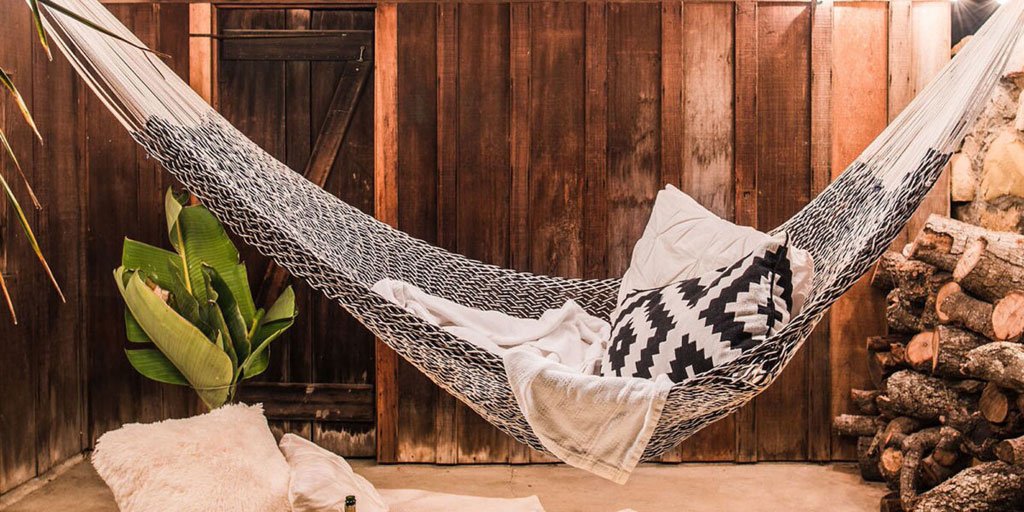
Rope hammock: rope vs fabric for comfort & durability
Let’s Talk Hammocks: The Real Difference Between Rope and Fabric
Hey friend — thanks for stopping by. Today we’re diving into something that might sound simple at first but actually has more nuance than you’d expect: the humble hammock. More specifically, we’re talking rope hammock vs fabric hammock — and how choosing between these two affects your comfort, durability, and overall hammock experience. It made me feel surprisingly excited when I realised how much difference the material and weave make. Because, let’s be honest: the right hammock can turn a lazy afternoon in the yard into a mini-retreat, and the wrong one can leave you tangled, uncomfortable, or worse — sagging and worn after a season. So, if you’re thinking of buying one or upgrading, let’s walk through this together (like a little hammock-hangout chat). Are you ready?
What we mean by “rope hammock” and “fabric hammock”
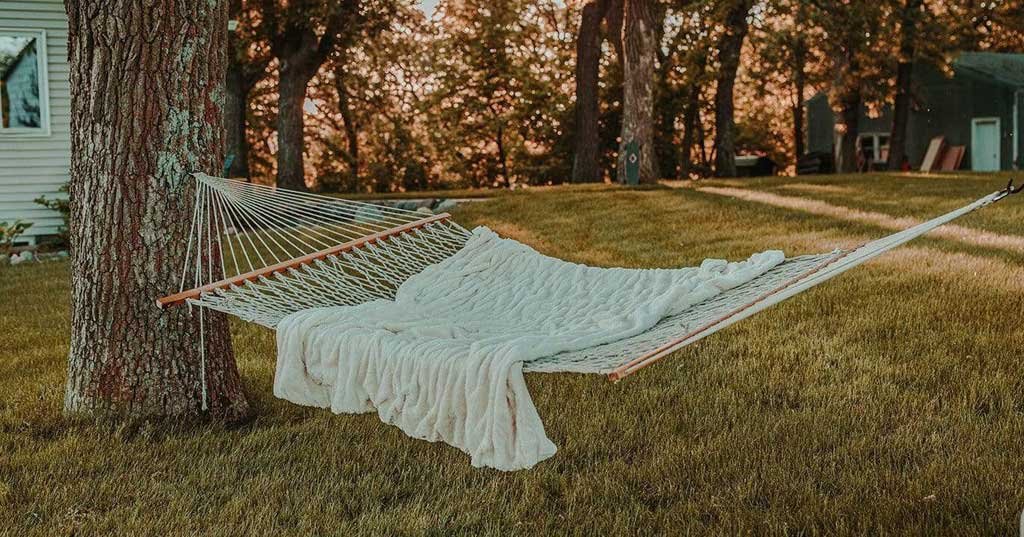
Definition: rope hammock (weave, rope material)
When we say rope hammock, we’re talking about a hammock whose body is essentially made of rope strands — typically cotton rope, or synthetic rope like polyester — often woven or knotted into an open-weave pattern. The classic look: you’ll see the holes between ropes, and sometimes spreader bars that pull the ends apart. The open pattern gives that airy feeling. According to one buying guide, rope hammocks are “ideal for hot or humid weather regions; loose woven design allows air to flow through the product.”
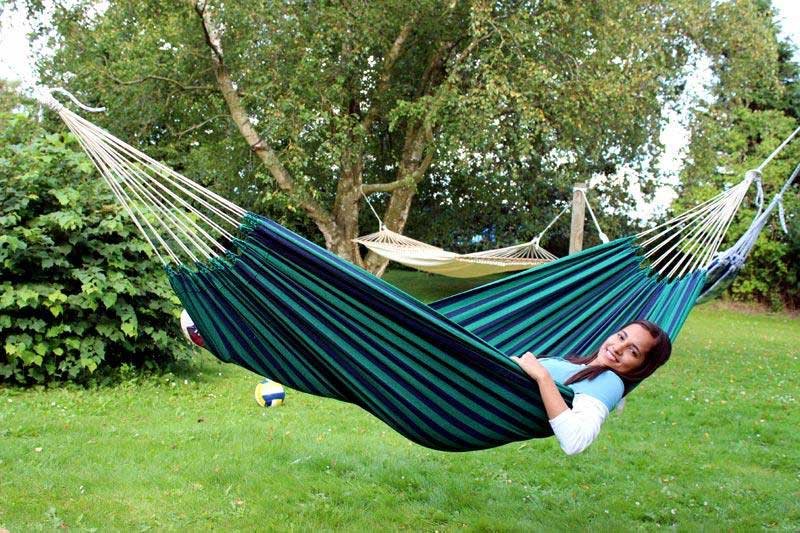
Definition: fabric hammock (solid fabric sheet, canvas, quilted, etc)
By contrast, a fabric hammock refers to one whose body is essentially a continuous piece of fabric — maybe cotton canvas, polyester fabric, or even quilted versions. There’s no big gaps between strands. The surface is solid and you lie on fabric rather than net-like rope. The buying guide describes fabric hammocks as “soft and comfortable … solid surface … ideal for lounging and napping.”
Why the choice matters (comfort, durability, climate, style)
You might wonder: “Does it really matter if it’s rope or fabric?” I totally get that feeling — it looked like a hammock is just a hammock. But here’s the thing: material and construction directly impact how it feels (comfort), how long it lasts (durability), how it handles weather (outdoor vs indoor), and how it fits your space (style). So yes — the choice really does make a difference. It was overwhelming when I first compared the specs, but once I broke it down it made sense.
Comfort: How rope and fabric hammocks compare
Breathability and airflow (rope weave advantage)
One of the big comfort wins for rope hammocks: airflow. Because of the open weave, air passes through easily — which means on a hot summer day you can stay cooler, less “stuck” to the fabric. A site notes: “Rope hammocks … perfect for hot or humid weather regions … loose – design allows air to flow through.” So if you’re hanging outside on a sunny patio or beach side, the rope type can feel refreshing.
Surface feel and body support (fabric advantage)
But here’s where fabric hammocks shine: the surface is solid and supports your body more evenly — no large holes between ropes. That means you feel like you’re lying on a smooth sheet rather than a net. Many users say fabric gives a more cocoon-type feeling — cozy, comfortable for a nap. For example, one guide says: “Fabric hammocks provide a soft, supportive surface with no gaps, ensuring a full, flat bedding experience.” If you’re going to nap, read, or use it indoors or in a shaded area — fabric might win comfort-wise.
Comfort trade-offs: skin marks, sag, fit to body
Every option has trade-offs. With rope hammocks: because of the holes/gaps, you might end up with imprints on your skin (especially if the rope strands are thin). Some users report that the weave pattern leaves faint marks after a long afternoon. One guide mentions: “Can leave impressions on the skin” under rope hammocks. Also rope types may require more attention to how you lie (diagonal lay) to avoid sag. Fabric hammocks: fewer holes means less airflow — so in hot sun you might feel warmer. Some fabric types sag over time if the material stretches. And if quality is lower you may feel seams or panels.
Use-case comfort: lounging vs sleeping, outdoor vs indoor
Here’s the friendly advice:
- If you’re planning casual lounging in the shade, maybe indoor or moderate climate, a fabric hammock gives you that “bed-like” feel.
- If you’re outdoors in warm/humid weather, want breeze and cooler feel, rope might be ideal.
- For regular sleeping (overnight) in hammock, consider whichever supports you well and fits the climate — do you want full cocoon feel (fabric) or airy comfort (rope)?
- Also for kids, pets, or multiple people: fabric may feel more stable; rope weave may have more gaps.
Durability: Material, construction, climate impact
Rope hammock durability: rope material (cotton rope vs polyester rope vs premium synthetics)
Let’s dig deep. Rope hammocks vary by rope material.
For instance:
- Cotton rope: soft, natural feel, comfortable — but less resistant to outdoor elements, moisture, UV, mildew. For example, cotton rope “is more comfortable… but highly susceptible to mold and mildew when damp; can take 24+ hours to dry.”
- Polyester rope: stronger outdoor durability. One source says polyester rope “maintains most of its strength when wet and resists mildew … dries in 2-4 hours after downpour.”
- Premium synthetics like DuraCord®/Olefin blends: very high durability with nearly cotton-like feel. Example: “Near-cotton softness with synthetic durability … can last 10+ years with basic maintenance.” Also the market guide says rope hammock segment holds large share because of durability appeal. So with rope, your durability depends hugely on what rope material is used, how thick/strong the rope, and how/where you use it.
Fabric hammock durability: fabric types (cotton, canvas, synthetic fabrics)
Fabric hammocks also vary a lot:
- Cotton fabric: again, feels great, but when used outdoors and exposed to sun/rain it may wear quicker, fade, mold, fray. One guide: “Cotton rope is great indoors but not weather-resistant outdoors.”
- Synthetic fabrics (polyester, Sunbrella®, solution-dyed acrylic): Much higher durability outdoors. For example, one guide lists Sunbrella® as “UV-resistant, fade-proof, mold-resistant … long lifespan” for premium outdoor use. Fabric hammocks, if built from durable outdoor fabrics and proper seams/hardware, can last a long time — but if cheap material, they degrade fast under UV/element exposure.
Weather resistance, maintenance, wear & tear
Weather and maintenance matter big time. For example: rope hammocks with cotton rope left outdoors repeatedly will suffer mildew, rot, color-fade. The buying guide states: “Cotton rope hammocks absorb moisture … not as durable for outdoors.” Also sagging and stretching happen. Fabric hammocks may hold better shape but if fabric is thin or seams weak, you see wear faster under sun/rain. One buying guide remarks fabric hammocks “tighter weave and less breathable” meaning in humid climate they may feel warmer. The bottom line: durability = quality of material + care + exposure conditions.
Practical longevity: what users say, what manufacturers say
From the user side:
- There’s Reddit posts where people say their fabric hammock started failing after ~2 years of moderate use.
- For rope: users note that rope hammocks (especially synthetic ropes) hold up much better outdoors. That matches the guides.
From manufacturers/buying guides: rope hammocks made with poly/advanced rope are described as “will last many years and require little maintenance.” So if you want long-term value, pick materials designed for outdoor exposure and match them to your climate & usage.
Feature comparison: Rope vs Fabric — side-by-side
Weight capacity & structural support
- Rope hammocks: Weight capacity often depends on rope thickness, weave density, number of anchor points. For example a tighter weave means better load distribution. One guide says rope hammocks’ strength depends on “material selection and weaving technique.”
- Fabric hammocks: A single piece of fabric with strong end hardware can offer large weight capacities if built well. Fabric can sometimes sag less (if material doesn’t stretch). But fabric may “stretch” over time if thin or cheap.
So in general: both can support good loads, but make sure specifications and quality match your use (single vs double, multiple people, kids, etc).
Installation, portability, packing
- Rope hammocks: Many are open-weave, may have spreader bars (which make setup wider but less portable). The spreader bars make them less compact for travel.
- Fabric hammocks: Often easier to roll/pack (especially if no spreader bar) and may be lighter (depending on material). Great for indoor or travel use. So if you plan to move the hammock frequently, displacement, travel, fabric may be friendlier.
Cleaning, maintenance, ease of care
- Rope: If rope is synthetic (polyester or premium), maintenance is lower: resists mildew, dries quickly, easier to rinse. One guide mentions “polyester hammock will last longer… requires little maintenance.”
Cotton rope: higher maintenance (absorb moisture, dry slowly, risk mildew). - Fabric: Again depends on fabric type. Outdoor fabrics like Sunbrella® or solution-dyed synthetic: easier to maintain, fade resistant. Cotton fabric: higher maintenance. Also seam integrity and hardware matter. So in cleaning/maintenance terms: choose material with weather resistance if outdoor.
Style, aesthetics & market trends
- Rope hammocks: They have that classic tropical/beach-look. Their open design is visually airy and suits certain decor (gardens, patios, resort style). Buying guide: “Classic aesthetic: rope hammocks have a timeless, nautical look that complements a variety of outdoor settings.”
- Fabric hammocks: They offer more variety in colours, patterns, cushioned surfaces (quilted), indoor/outdoor versatility. For instance, one article says “Fabric hammocks tend to be stronger and more durable… and come in many different variations, colours, and materials.” Also market data: rope hammock segment holds ~60% of market due to durability/traditional appeal, but fabric/cloth segment is growing. So style wise: go with what fits your space and aesthetic.
Which one should you pick? A guided decision for your situation
Questions to ask (climate, indoor/outdoor, usage frequency)
Here are some friendly questions to ask yourself:
- Will the hammock stay outdoors year-round or be stored inside when not in use?
- Is your climate hot/humid, or cooler and maybe rainy?
- Will the hammock be used for lounging for short spells, or for longer naps/sleep?
- How many people/users will it support? Kids? Pets? Multiple persons?
- How often do you expect to move it/pack it/transport it?
Answering those helps pick rope vs fabric.
Matching hammock type to setting (hot/humid vs cool climate)
- Hot/humid/outdoor all the time: rope hammock (especially synthetic rope) may be ideal because of airflow, quick-drying, durability against moisture.
- Cooler climate/indoor/seasonal: fabric hammock may offer better comfort, cocooning feel, more supportive surface.
E.g., a guide says rope is “perfect for hot or humid weather” while fabric is “better in cooler weather” because tighter weave retains warmth.
Budget and long-term value considerations
If you buy cheap and expect it to last outdoors, you may be disappointed. Prioritise material quality: premium rope (polyester, DuraCord) or fabric (Sunbrella®, solution-dyed synthetics) cost more upfront but last much longer. For example: rope hammocks made with premium synthetics can “last 10+ years with basic maintenance.”
If budget is tight and usage light (indoor/seasonal), you might accept lower longevity. But factor in replacement cost.
Hybrid or premium options: best of both worlds
There are options that blur the rope vs fabric divide. For example: rope hammocks made of premium synthetic ropes with cotton-feel softness; fabric hammocks with weather-treated outdoor fabric. Some even combine rope ends with fabric centre. If you want both comfort and durability, look for these hybrids: premium synthetic rope or outdoor fabric hammocks. The guides mention DuraCord rope merges “the durability of polyester with the softness of cotton.” So you don’t necessarily have to pick “only rope” or “only fabric” if you’re willing to spend a bit more.
Care tips & best practices to maximise comfort and lifespan
Proper hang angle, spacing, and setup for rope and fabric
- Choose the correct hang height and spacing: many suggest a 30° angle from horizontal for comfortable lay (especially for fabric).
- For rope: ensure knots are secure, rope strands are not fraying, spreader bars (if used) are in good shape.
- For fabric: ensure end hardware (grommets, spreader bars if any) is rated for load, stitching intact.
Mis-hanging can reduce comfort and increase stress on materials.
Cleaning and drying routines
- Rope hammocks: If synthetic rope, a simple rinse and occasional spot clean is fine. If cotton rope, dry thoroughly and avoid leaving wet. One guide: “Cotton rope hammocks absorb moisture, take longer to dry.”
- Fabric hammocks: Depending on material, wash or rinse, ensure dry before storage, remove from direct sun exposure if possible. Fabric may fade or degrade with UV.
Storage, seasonal use, preventing degradation
- If your hammock stays outdoors year-round, make sure material is rated for that (e.g., UV-resistant fabric, synthetic rope).
- In off-season or bad weather: store indoors or under cover. Prolongs life.
- Regular inspections: look for fraying rope, stretched fabric, rusted hardware, mold/mildew.
Safety reminders (load limits, wear detection)
- Always check manufacturer weight capacity and use accordingly (single vs double person). One guide warns about lower weight capacity for cotton rope.
- Replace any component that is damaged. A hammock is a relaxation tool, but if materials fail it can lead to injury.
- If you hang from trees or structures, make sure anchors and suspension rated and secure.
- For rope hammocks with spreader bars: note that spreader bars change the hanging angle and may increase tipping risk. Good to be aware.
Real-world examples and what we learned from them
Example: rope hammock in hot outdoor setting
Imagine a backyard in Florida: blazing sun, afternoon breeze, poolside lounge. A polyester rope hammock is hung between two palms. The open weave allows breeze, the synthetic rope dries quickly after rain. Maintenance minimal, you chill late into summer without worrying about mildew.
From user discussions: some polyester rope hammocks dry within hours vs cotton taking a day. It made me feel relaxed just thinking of it.
Example: fabric hammock used indoors or in cooler climates
Now imagine a cozy porch in northern climate: evenings are cooler, you want to read a book, maybe nap. A fabric hammock made of thick canvas or solution-dyed outdoor fabric gives you a solid surface, less airflow but more blanket-like comfort. The colour options let it blend with décor. One guide: fabric hammocks “better for cooler weather… tighter weave.” It filled me with joy knowing you’re wrapped comfortably.
Key take-aways and what you might personally expect
From those two contrasts we learn:
- If you’ll be outdoors often, exposed to elements, go durable material, consider rope with synthetic rope, or weather-treated fabric.
- If you’ll be indoors or in shaded/out-of-wind areas and comfort (nap, lounge) is priority, fabric might be the winner.
- Regardless of choice, setup, maintenance and matching to your environment matter as much as material. So picking the “right” type means caring for it. And there’s a satisfaction in knowing your hammock is working for you — not against you.
Swinging to a Close: Finding Your Perfect Hammock Match
Alright — we’ve covered a lot of ground (but in a friendly chat way, remember). When it comes down to rope hammock vs fabric hammock, there’s no one-size-fits-all winner. The best choice depends on you: your climate, your usage, your comfort preferences, how much maintenance you’re willing to do, how long you expect it to last. If you pick wisely — matching rope or fabric to your situation — you’ll get a hammock that not only looks good but feels good and lasts. I know it can feel overwhelming to choose, but I hope our little walk-through made it clearer. So go ahead: pick the hammock that feels like your little escape space, and hang it with confidence. Your relaxing moments are about to get upgraded.
Please read more about the best rope hammock.
FAQs
Which type of hammock is cooler to lie in on hot days — rope or fabric?
Generally, rope hammocks win that race — because the open-weave lets air flow through and keeps your body cooler. Fabric hammocks provide more surface area and insulation, which can feel warmer. Guides confirm rope is “perfect for hot or humid weather” when breathability matters.
If I want a hammock that lasts many years outdoors, which should I choose?
For long outdoor life, choose materials that resist UV, moisture, mildew. In rope category: synthetic rope (polyester, DuraCord) do well. In fabric: outdoor-rated synthetics or treatment fabric (Sunbrella®, solution-dyed). Avoid untreated cotton rope or fabric for year-round outdoor use. See durability notes above.
Can fabric hammocks handle heavier people or multiple users better than rope?
It depends on build quality. Fabric hammocks with strong material and hardware can definitely support heavy loads. But rope hammocks with thick rope, tight weave, strong anchor hardware can also perform well. Always check manufacturer weight capacity. Some rope designs may sag more if used by heavier persons or multiple users.
How difficult is maintenance for each type?
Rope hammocks: Synthetic rope = low maintenance; cotton rope = higher maintenance (absorb moisture, slower drying, mildew risk).
Fabric hammocks: Outdoor-treated fabric = moderate maintenance; untreated cotton = higher maintenance (fade, mildew, wear). So if you want “set it and forget it” outdoors, pick synthetic rope or treated fabric.
I have limited space and want something portable — which type fits best?
If portability and compact storage matter, fabric hammocks (especially without spreader bars) tend to roll up more easily and pack down smaller. Rope hammocks with spreader bars or thick rope may be bulkier and less travel-friendly. So for mobility, fabric might be the better pick.
